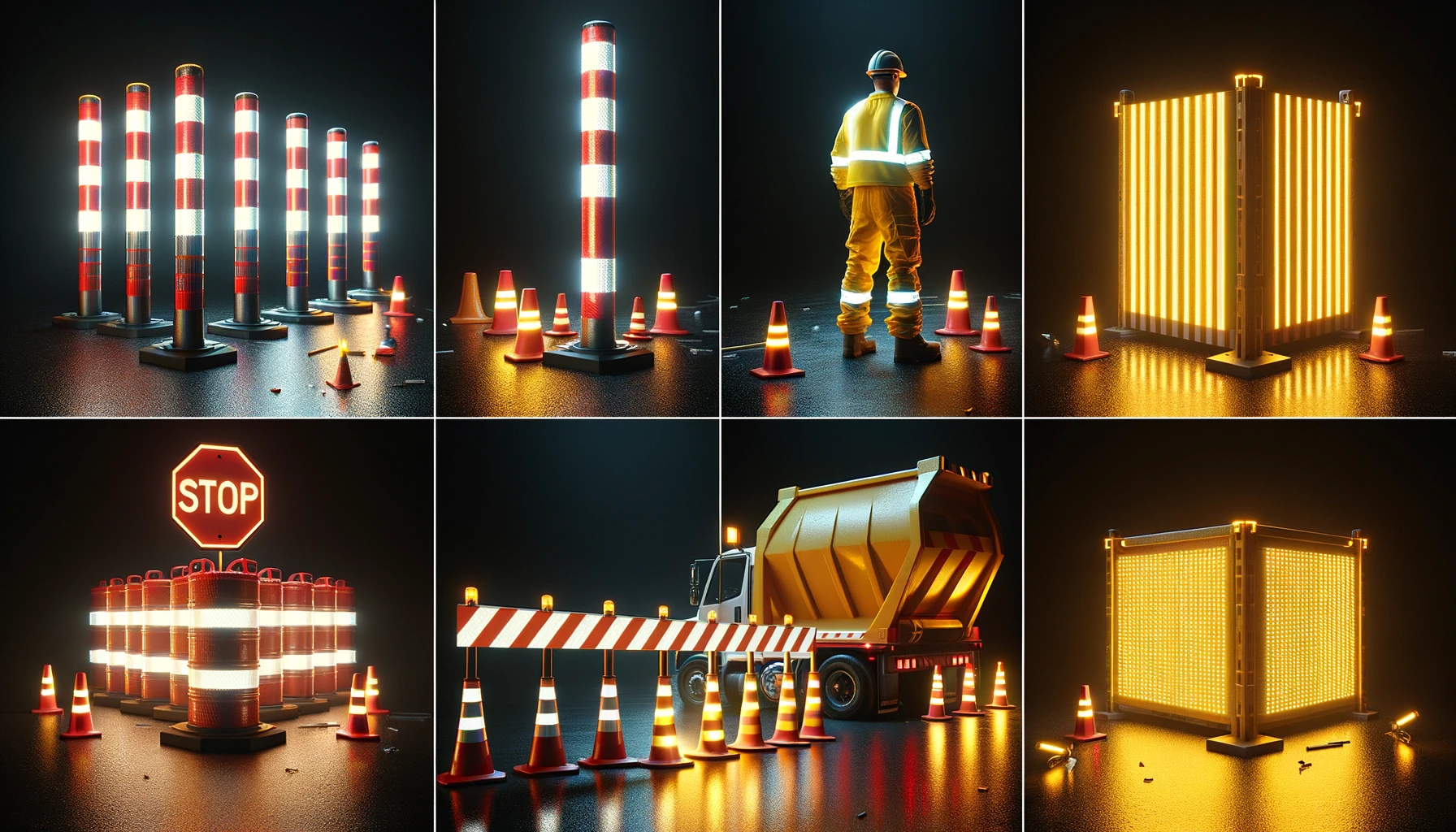
Reflective tape is a type of material that is designed to increase visibility and enhance safety, especially in low-light conditions. It is made with retroreflective technology, which means that it reflects light back to its source, such as a vehicle’s headlights or a flashlight. This makes the tape highly visible and helps people and objects stand out in the dark, reducing the chances of accidents and potential injuries.
Reflective tape is commonly used in various industries and applications, including transportation, construction, emergency services, and personal safety gear. It can be applied to vehicles, signs, clothing, and equipment to improve visibility and increase awareness. The tape comes in different colors, widths, and patterns, allowing for customization based on specific needs and requirements.
How Reflective Tape Works
Reflective tape works through a principle called retroreflection. Unlike a mirror, which bounces light at an equal but opposite angle, retroreflective materials send light directly back toward its source. This is accomplished through two main technologies: glass bead and prismatic. Glass bead reflective tape uses tiny glass spheres embedded in the material to bend and redirect light. Prismatic reflective tape uses microscopic prisms that are molded into the surface to achieve the same effect but with significantly greater efficiency. Prismatic tapes can be up to 80% efficient at returning light, while glass bead tapes are approximately 30% efficient. For a deeper dive into how these technologies compare, see our article on how glass bead and prismatic reflective tapes work.
Types of Reflective Tape
Reflective tapes are classified into different grades based on their brightness and intended use. Engineer grade is the most basic level and is suitable for non-critical applications such as marking mailboxes, bollards, or equipment in warehouses. High intensity grade is significantly brighter and is commonly used for traffic signs and work zone markings. DOT C2 conspicuity tape is a specialized alternating red and white pattern required on tractor trailers by federal regulation. There are 11 different recognized types of reflective sheeting, each designed for specific visibility requirements and environmental conditions.
How Long Does Reflective Tape Last?
The lifespan of reflective tape varies depending on the grade of the product and the conditions it is exposed to. Most quality reflective tapes are rated for outdoor use ranging from 3 to 12 years. Engineer grade tapes typically have a shorter outdoor life of 3 to 7 years, while high intensity prismatic tapes can last 10 years or more. Factors that affect longevity include UV exposure, temperature extremes, moisture, and physical abrasion. Tapes applied in sheltered locations or on vertical surfaces tend to last longer than those on horizontal surfaces exposed to direct sunlight and standing water.
Tips for Applying Reflective Tape
For best results, always apply reflective tape to a clean, dry surface that is free of dust, oil, and debris. The surface should ideally be smooth and flat, though some flexible tapes can conform to mild curves. Apply firm pressure with a squeegee or soft cloth after placement to activate the adhesive and remove any air bubbles. Temperature also matters during installation. Most reflective tapes adhere best when applied at temperatures above 50 degrees Fahrenheit. Avoid stretching the tape during application, as this can cause it to lift or peel over time.
If you would like more detailed information about reflective tape, I recommend visiting the following webpage: https://reflectivetape.info/definition-of-retro-reflective-tape/. It provides a comprehensive overview of reflective tape and its various applications.